THE 1950s
The early characters.
Furniture from the middle of the last century brings the sort of patina that no new finish can quite imitate. We kept that character.
 STAY
THE CONCEPT / DESIGN & FURNITURE
Three generations of one family. Furniture from the fifties, eighties, nineties and now. All of it together, with absolutely no intention of matching perfectly.
HEBRON GARDENS HOUSE · AN INDEPENDENTLY DESIGNED VILLA
I / A HOUSE WITH A MEMORY
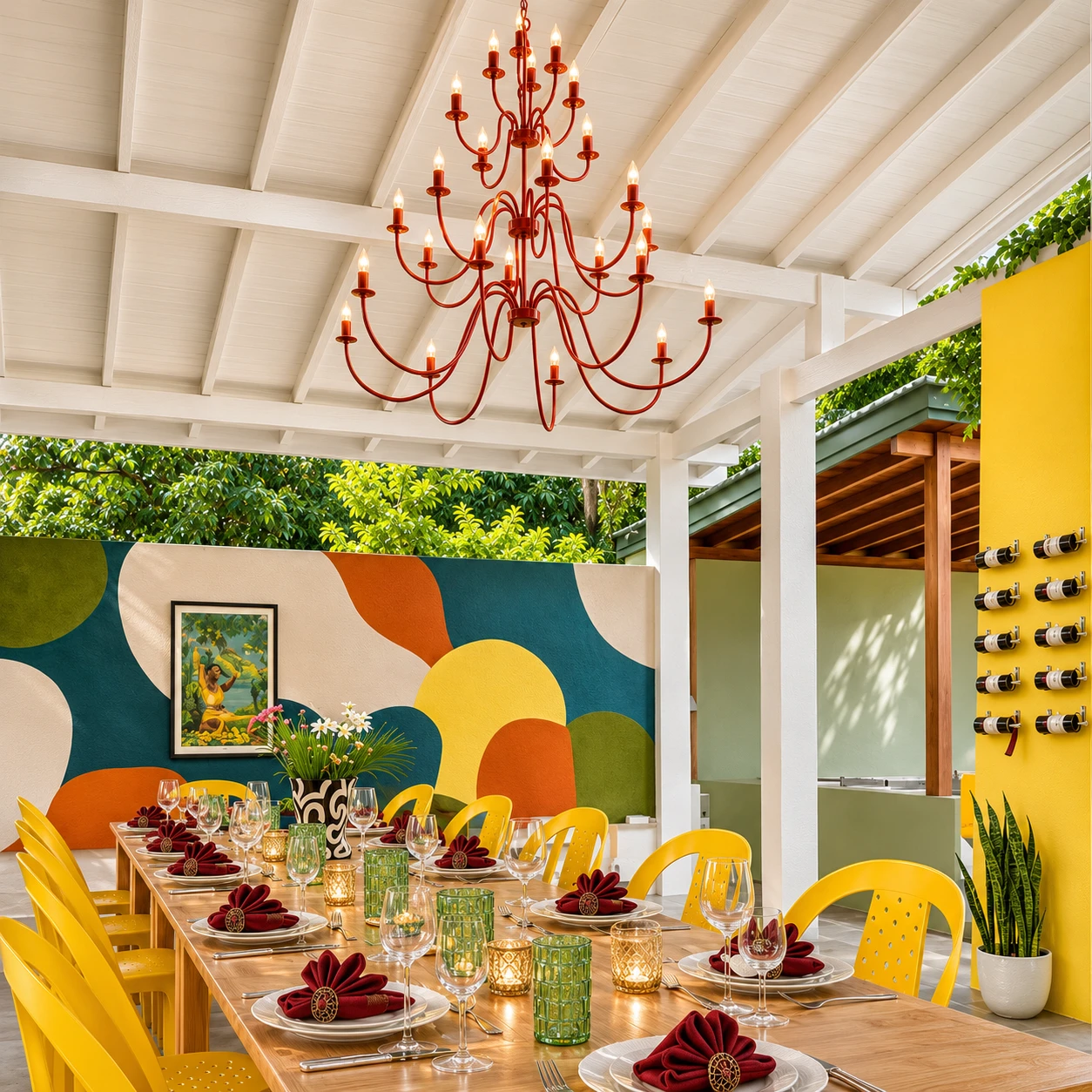
Hebron Gardens House has been in the same family for three generations. It has collected more than memories along the way. Its rooms carry furniture from the 1950s, pieces brought in during the 1980s and 1990s, and the newest designs created for its latest chapter.
We could have swept the lot away and started again. But where would the fun be in that? A house that has lived a little deserves to show it.
Instead, the renovation became an exercise in keeping the good things, giving them space to breathe, and introducing new pieces that were confident enough to sit beside them.
THE 1950s
Furniture from the middle of the last century brings the sort of patina that no new finish can quite imitate. We kept that character.
THE 1980s
As the family and house evolved, more furniture found its place. Another era, another set of tastes. Rather than edit it all away, we made room for it.
THE 1990s
The collection grew again. Pieces from different decades now sit side by side, making the rooms feel gathered over time instead of purchased all at once.
TODAY
The latest renovation brings bespoke furniture designed by the owner and handmade by Cane Cult, with silhouettes and colours chosen especially for Hebron.
II / MADE BY HAND · CANE CULT
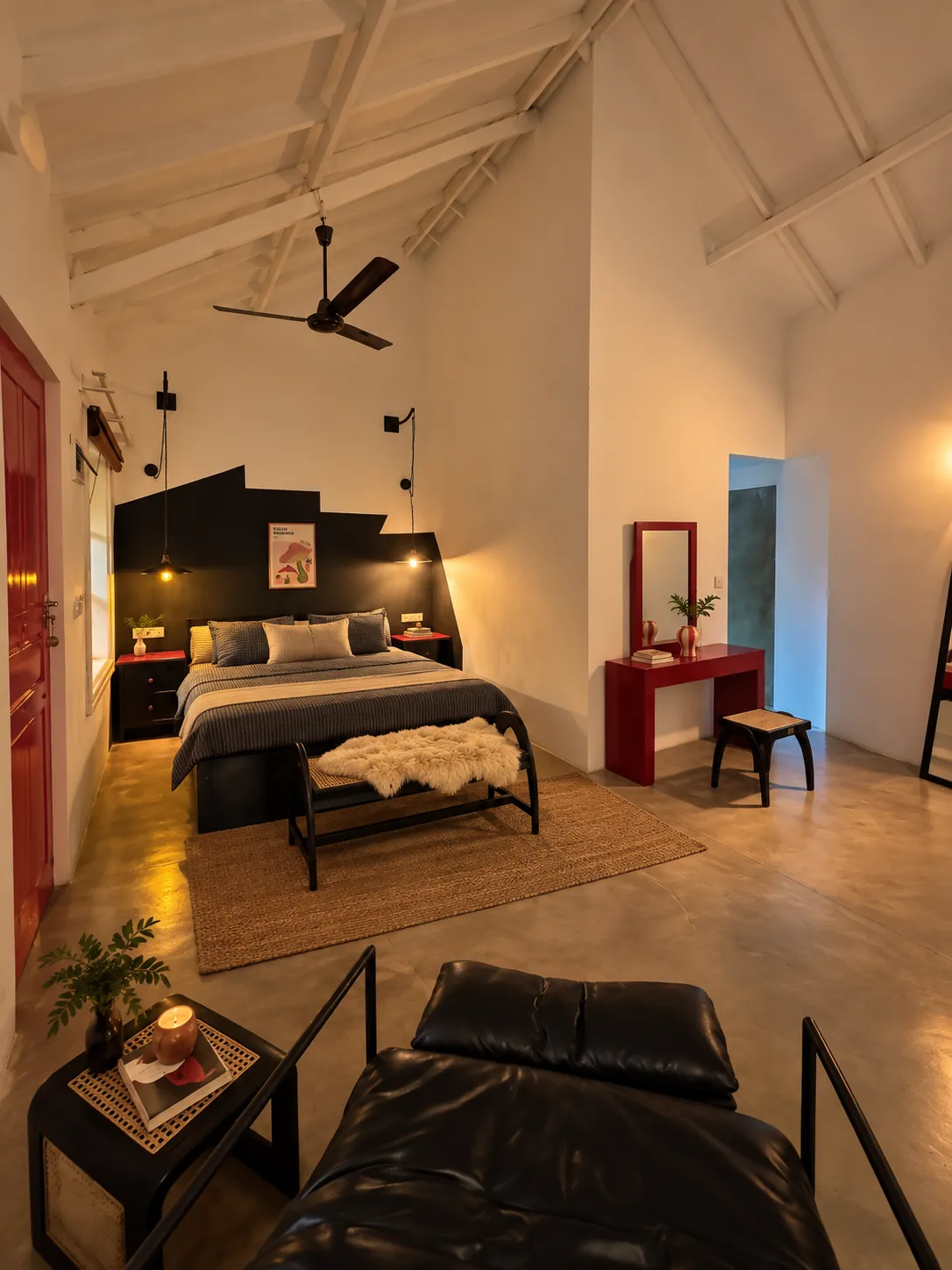
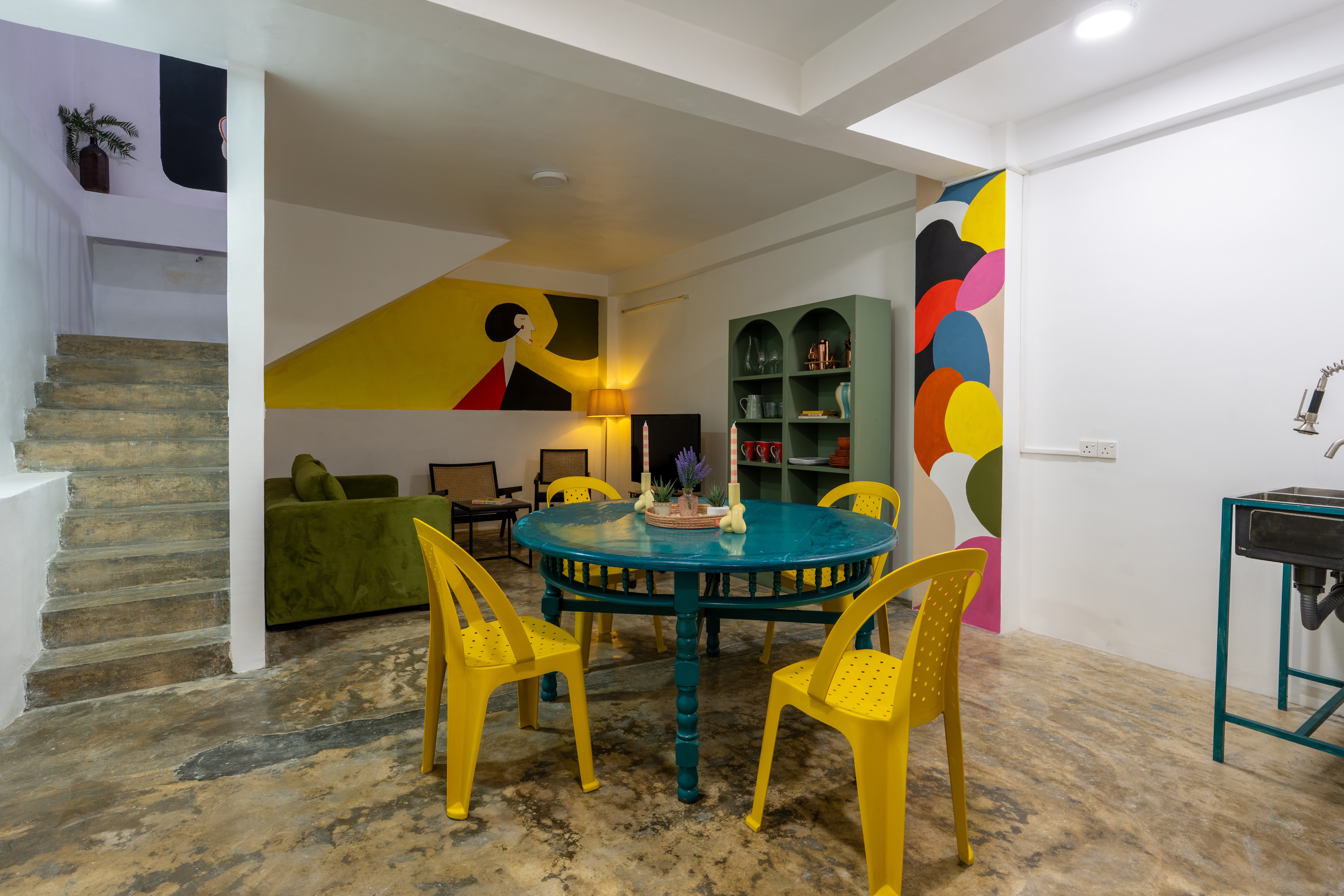
There is something worth knowing about Hebron: its owner also owns Cane Cult, a handmade furniture company. The contemporary pieces at the house were personally designed by the owner and brought to life by Cane Cult’s makers.
These are not off-the-shelf pieces bought to suit a hotel. They were conceived for this house: for the scale of its rooms, the light on the verandah, the pieces already here, and the rather splendid freedom to do things a little differently.
The handmade Cane Cult furniture sits alongside the family’s older pieces. Neither is pretending to be the other. That conversation between the inherited and the newly made is precisely what gives Hebron its signature aesthetic.
Designed by the owner. Made by hand. Entirely at home.
III / A VERY PARTICULAR MIX
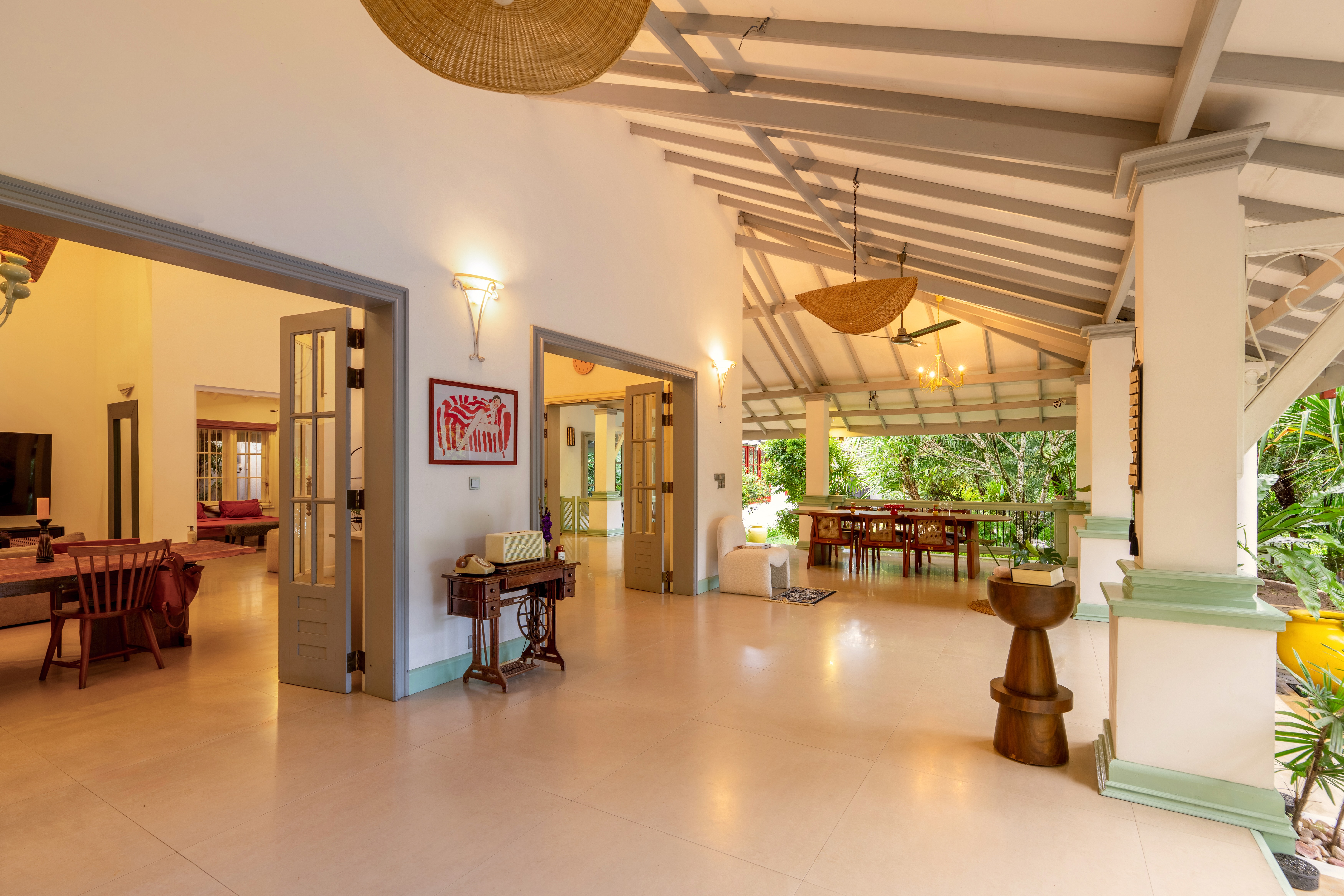
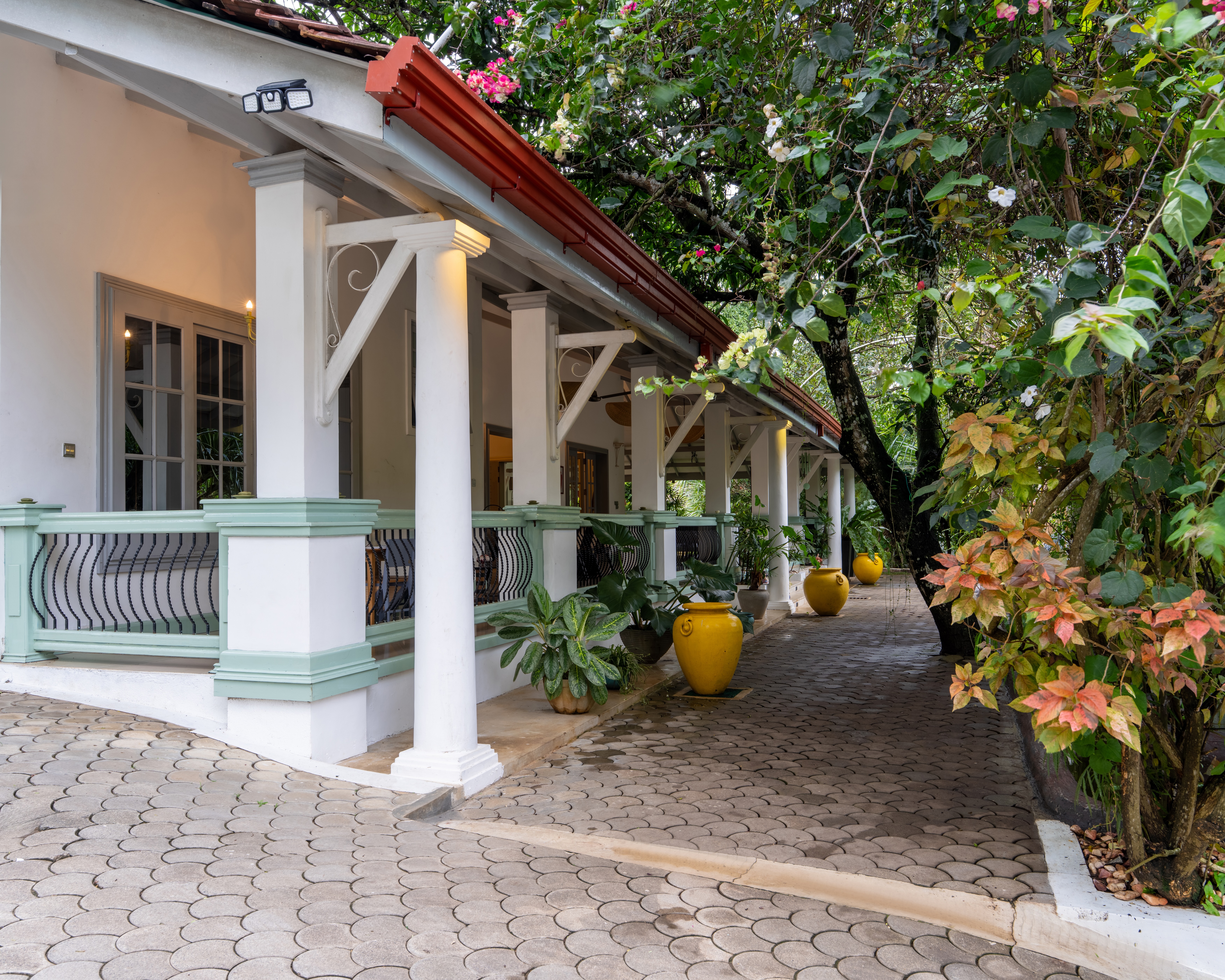
Sri Lankan colonial-era design lends the house its architectural character, warm timber and sense of place. Modern British design brings a little restraint, wit and confidence. European influences add their own shapes, proportions and unexpected details.
The point is not to recreate any one style faithfully. It is to let them live together: an old piece beside a modern chair, a family heirloom beside something newly handmade, a quiet room punctuated by a very deliberate splash of colour.
There is history here, but there is also a person behind the latest chapter. The result is thoughtful, playful and unmistakably Hebron.
SRI LANKAN
COLONIAL CHARACTER
MODERN
BRITISH DESIGN
EUROPEAN
INFLUENCES
IV / WHY A DESIGN VILLA?
Because every room has been considered, every new piece has been made with intention, and the older furniture has been allowed to keep its stories. This is a home shaped by three generations and redesigned for the people who stay here now.
We rather like that you can’t put it in a single design category. That is, after all, the entire point.